Women Leading the Way in Wildlife Conservation

This year at SEWE, a historic new event brought something extra special to the stage: four powerhouse women in science and conservation who are leading efforts to protect wildlife and inspire the next generation.
Hosted by Dr. Leslie Hart, Director of the Hope Research Lab at the College of Charleston, the evening spotlighted a lineup of experts whose careers span marine mammals, birds of prey, and wildlife rehabilitation. Each shared stories that were equal parts inspiring, eye-opening, and deeply personal.
Meet the Panel
Julie Scardina, longtime SeaWorld ambassador and President of Mission Wildlife, served as moderator. With her decades of experience working with animals from killer whales to walruses, and over 100 national TV appearances, Julie set the tone for an engaging and uplifting evening.
Joining her on stage:
- Amy Kite, Executive Director, Busch Wildlife Sanctuary
- Dr. Forrest Gomez, Director of Conservation Medicine at the National Marine Mammal Foundation
- Mandy Fayville, VP and Director of Operations, Avian Conservation Center
Stories That Stick With You
Amy Kite shared her journey from volunteer coordinator to executive director—titles she more or less gave herself until everyone else caught on. Through laughs and real talk, she reminded us how messy and meaningful wildlife rescue can be.
“Some days it’s spreadsheets. Other days it’s bobcats in a shed. And honestly, I live for the interruptions.”
– Amy Kite
She told the story of Hannibal, a bald eagle rescued as a baby after falling from her nest. Against the odds, Hannibal survived cancer, partial blindness, and years of recovery. Now she’s thriving as an ambassador bird.
“That eagle shouldn’t have survived—but she did. And now her story gives others hope.”
– Amy Kite
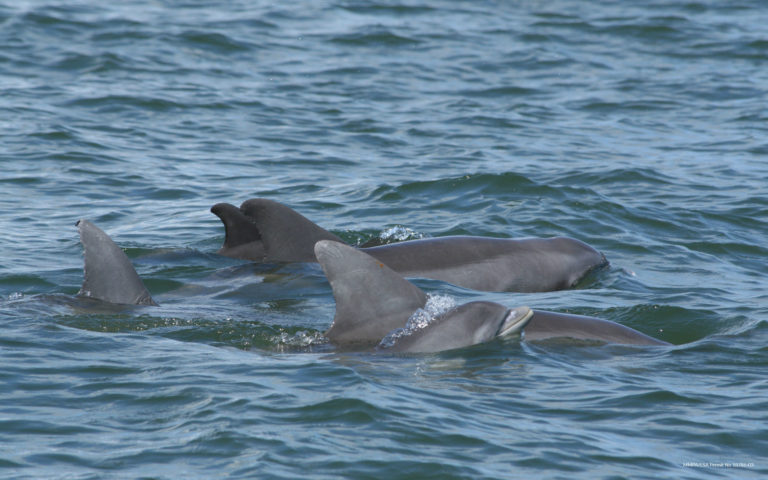
Dr. Forrest Gomez brought a global perspective, recounting a recent emergency support mission with the NMMF team to the Brazilian Amazon where extreme heat and drought led to the deaths of over 200 river dolphins.
“The Amazon changed me. It reminded me why this work matters—and how urgent it really is.”
– Dr. Forrest Gomez
She also shared her commitment to changing who gets a seat at the conservation table. “We need more diverse voices in this field,” she said. “More perspectives lead to better solutions.”
Mandy Fayville, who oversees daily wildlife rescue and education programs at the Avian Conservation Center, spoke about what drives her work. She introduced the audience to a red-tailed hawk who lost an eye in a car collision and now helps teach others about the human impact on wildlife.
“I can’t save every animal. But I can save some. And that makes all the difference.”
Mandy Fayville
A Conversation for Everyone
Throughout the night, one message stood out: you don’t have to be a scientist to make a difference. Whether it’s volunteering at a local center, planting native species, or switching to non-lead alternatives for hunting and fishing, there are ways we can all help.
One young attendee asked it best: “Can regular people help with conservation?”
The answer from every panelist: Absolutely.
The Takeaway
This panel wasn’t just about celebrating women in conservation, it was about celebrating leadership, resilience, and action. Whether in the Amazon, a raptor clinic, or a sanctuary in South Carolina, these women are doing the work, and inviting others to join them.